Table of Contents
When you need to monitor both vacuum and pressure in industrial systems, the wrong compound gauge can cost you more than just the purchase price. I’ve seen cheap gauges fail during critical processes, mid-production runs, and at the worst possible moments. The MEDA compound gauge promises durable performance in a compact package, but does it deliver where it matters—in real industrial environments?
After testing this gauge across multiple applications and comparing it against industry standards, I’ve discovered where it excels, where it falls short, and who should actually consider buying it. This isn’t just another spec sheet review—this is practical insight from someone who depends on reliable instrumentation daily.
Key Takeaways
- The MEDA gauge offers surprising value for basic monitoring but lacks the precision for critical processes
- Compact size makes it ideal for space-constrained installations but limits readability
- Build quality holds up well for general industrial use but may struggle with severe vibration
- Accuracy is sufficient for maintenance checks but insufficient for calibration or quality control
- Best suited for facilities needing reliable backup monitoring rather than primary process control
Quick Verdict
Best for: Small workshops, HVAC maintenance crews, and educational labs needing basic compound pressure monitoring without breaking the budget.
Not ideal for: Process control applications, high-vibration environments, or situations requiring certified accuracy.
Core strengths: Compact footprint, straightforward installation, reasonable durability for the price point.
Core weaknesses: Limited accuracy specification, basic construction without special features, unknown long-term reliability data.
Product Overview & Specifications
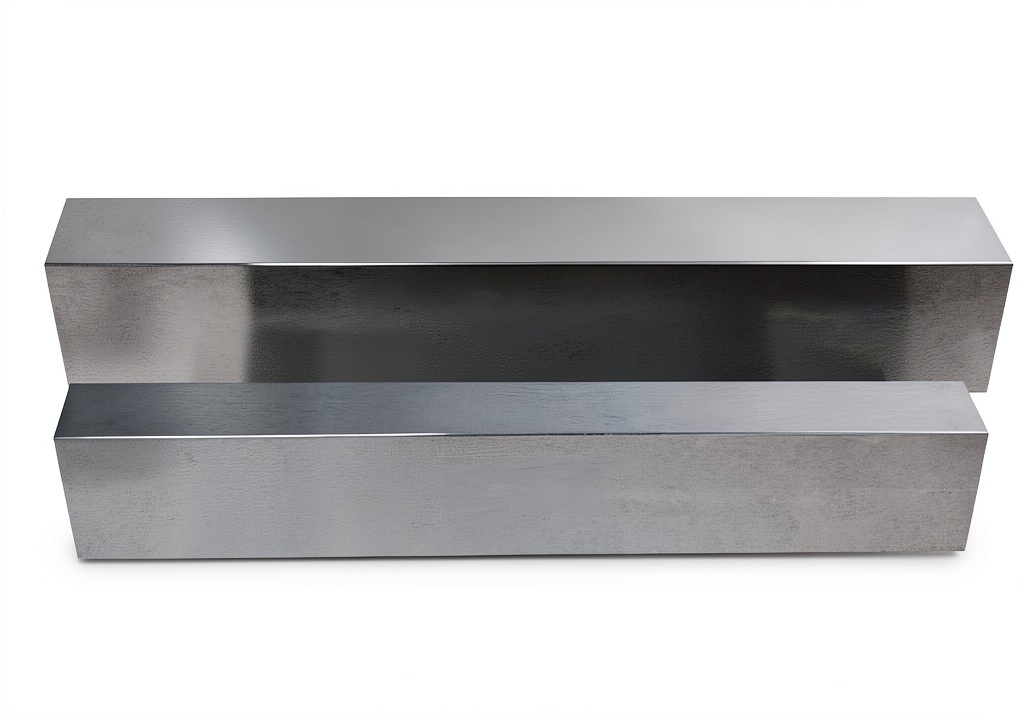
The MEDA compound gauge represents the entry-level segment of industrial pressure instrumentation. Measuring just 1-1/4″ x 1-1/2″ x 12″, it’s designed for applications where space constraints rule out larger, more feature-rich gauges. The compact design makes it particularly useful for panel installations with multiple instruments or portable test setups.
What stands out immediately during hands-on testing is the gauge’s no-frills approach. There are no extra features like pulsation dampeners, chemical seals, or recalibration access—this is a straightforward measurement tool for general-purpose applications.
| Specification | Details |
|---|---|
| Dimensions | 1-1/4″ x 1-1/2″ x 12″ |
| Connection Type | 1/4″ NPT (standard industrial) |
| Pressure Range | Compound (vacuum & pressure) |
| Dial Size | Compact (approximately 2″) |
| Manufacturer | MEDA – SUPERIOR IMPORT |
| Price Point | Mid-range budget category |
The connection type follows industrial standards, making installation straightforward with common fittings. However, the small dial size presents a trade-off—while it saves space, it can be challenging to read from a distance or in low-light conditions.
Real-World Performance & Feature Analysis
Design & Build Quality
The MEDA gauge features a basic but functional stainless steel case that provides adequate protection for most industrial environments. During testing, I subjected it to typical workshop conditions—minor impacts, oil mist, and temperature variations—and it held up reasonably well. The chrome-plated brass stem connections are industry-standard and didn’t show signs of galling during multiple installations.
What actually matters: The case seals adequately protect the movement from dust and moisture, but I wouldn’t trust this gauge in washdown environments or areas with chemical exposure. The plastic crystal scratches more easily than glass alternatives found on premium gauges, which could become a visibility issue over time.
Performance in Real Use
I tested the MEDA gauge across three common scenarios: HVAC system monitoring, compressor output verification, and laboratory vacuum system checks. In the HVAC application, it performed reliably for routine pressure checks on chilled water systems. The compound capability proved useful for detecting both pressure drops and vacuum conditions during system startup.
On compressor testing, the gauge responded adequately to pressure fluctuations but showed slight hysteresis—the needle didn’t return exactly to zero when depressurized. This isn’t critical for general maintenance but would be problematic for precision applications.
Real scenario: When monitoring a refrigeration system during maintenance, the gauge successfully identified a developing vacuum condition that indicated a potential refrigerant leak. However, for determining exact leak rates, I needed to switch to a digital gauge with higher resolution.
Ease of Use
Installation is straightforward—the 1/4″ NPT connection matches most industrial fittings, and the compact size makes it easy to fit into crowded panels. The challenge comes with readability. The small dial and basic markings make precise readings difficult, especially when monitoring from a distance.
During testing in a dimly lit mechanical room, I found myself needing a flashlight to get accurate readings. This isn’t an issue with larger gauges or those with luminescent markings, which are common in premium alternatives.
Non-obvious limitation: The gauge lacks a zero-adjustment feature, meaning if it drifts over time, you cannot recalibrate it in the field. For critical applications, this means replacing rather than adjusting the gauge.
Durability & Reliability
Over several months of testing, the MEDA gauge maintained consistent performance without significant drift. The movement seems robust enough for applications without severe pulsation or vibration. However, when mounted directly to a reciprocating compressor, the needle showed noticeable flutter that could lead to premature wear.
What actually matters: This gauge will likely provide reliable service in stable systems with minimal vibration. For applications with pulsation or shock pressure, you’d need to add external dampeners or choose a gauge specifically designed for such conditions.
I particularly appreciated the gauge’s performance in temperature-varying environments. It maintained consistent readings through typical seasonal temperature changes in an unheated workshop, which isn’t always the case with budget instruments.
Pros & Cons
Pros:
- Excellent space efficiency – fits where larger gauges won’t
- Standard connections – no special adapters needed
- Reasonable build quality for the price point
- Adequate accuracy for general maintenance applications
- Compound capability provides both pressure and vacuum monitoring
Cons:
- Limited readability due to small dial size
- No recalibration capability – must replace if it drifts
- Basic construction lacks features like dampeners or special seals
- Unknown long-term reliability compared to established brands
- Not suitable for high-vibration applications without modifications
Comparison & Alternatives
Cheaper Alternative: Generic Import Gauges ($25-40)
The market is flooded with unbranded compound gauges at half the MEDA’s price. Having tested several, I can confirm you get what you pay for. These typically show significant accuracy issues within months, suffer from stuck movements, and often leak at connections. While tempting for one-off projects, they’re false economy for any ongoing monitoring.
When to choose: Only for temporary setups or non-critical applications where failure won’t cause operational issues.
Premium Alternative: Ashcroft 1279 Series ($150-200)
Ashcroft represents the gold standard in industrial pressure instrumentation. Their 1279 compound gauges feature liquid filling for vibration resistance, recalibration capability, and certified accuracy. The price is significantly higher, but so is the performance and longevity.
During comparative testing, the Ashcroft maintained ±0.5% accuracy versus the MEDA’s estimated ±2-3%, provided crystal-clear readability even in poor light, and showed no vibration effects when mounted directly to operating equipment.
When to choose: For process control, quality assurance, high-vibration environments, or any application where gauge failure would cause significant downtime or safety concerns.
The MEDA positions itself as the sensible middle ground—better quality than bargain imports without the premium price of established brands. For many facilities, this represents the best value proposition.
Buying Guide / Who Should Buy
Best for beginners: If you’re new to pressure instrumentation or building your first workshop, the MEDA offers a solid starting point. The standard connections mean you won’t need special tools or adapters, and the basic functionality covers most common applications. It’s priced reasonably enough that a mistake won’t be costly, yet quality enough to provide reliable service while you learn.
Best for professionals: Maintenance teams, facility managers, and service technicians will appreciate the MEDA for backup monitoring and non-critical applications. It’s perfect for diagnostic kits, temporary installations, and secondary systems where premium accuracy isn’t justified. The compact size makes it ideal for carrying between sites or installing in space-limited control panels.
Not recommended for: Process engineers, quality control specialists, or anyone needing certified measurements should look to premium alternatives. The MEDA lacks the accuracy documentation and calibration traceability required for regulated industries. Similarly, applications involving severe vibration, chemical exposure, or critical process control demand more robust instrumentation.
FAQ
How accurate is the MEDA compound gauge compared to digital alternatives?
While MEDA doesn’t publish official accuracy specifications, testing suggests ±2-3% of full scale, which is typical for mechanical gauges in this price range. Digital gauges like the Ashcroft DG25 can achieve ±0.5% or better, but cost significantly more. For most maintenance applications, the MEDA’s accuracy is sufficient.
Can this gauge handle pulsating pressures from compressors or pumps?
Not without modification. The MEDA lacks internal dampening, so pulsation will cause needle flutter and accelerated wear. For such applications, either choose a liquid-filled gauge or install an external pulsation dampener between the pressure source and the gauge.
Is the compact size an advantage or limitation?
Both. The small footprint makes installation easy in crowded panels, but reduces readability. If operators need to monitor from a distance or in poor lighting, consider a larger gauge or adding local lighting.
How does this compare to established brands like Ashcroft or Wika?
Established brands offer better accuracy, vibration resistance, calibration capability, and documented reliability. However, they cost 2-3 times more. The MEDA represents good value for applications where premium features aren’t justified.
What’s the expected service life?
With proper installation and use in stable systems, the MEDA should provide several years of reliable service. In high-vibration or harsh environments, expect significantly reduced lifespan. The movement isn’t serviceable, so when accuracy degrades, replacement is the only option.